
Research & insights
Omnibus research results
Highlights – November 2025
Our latest research highlights how engaged women are focusing on economic impacts as the primary driver of policy support, including cost of living, energy security, economic growth and jobs.
Engagement is deepening
Engaged women are the architects of the national conversation. Far from just following the news, they are deeply attuned to the critical nexus between energy policy and economic stability.
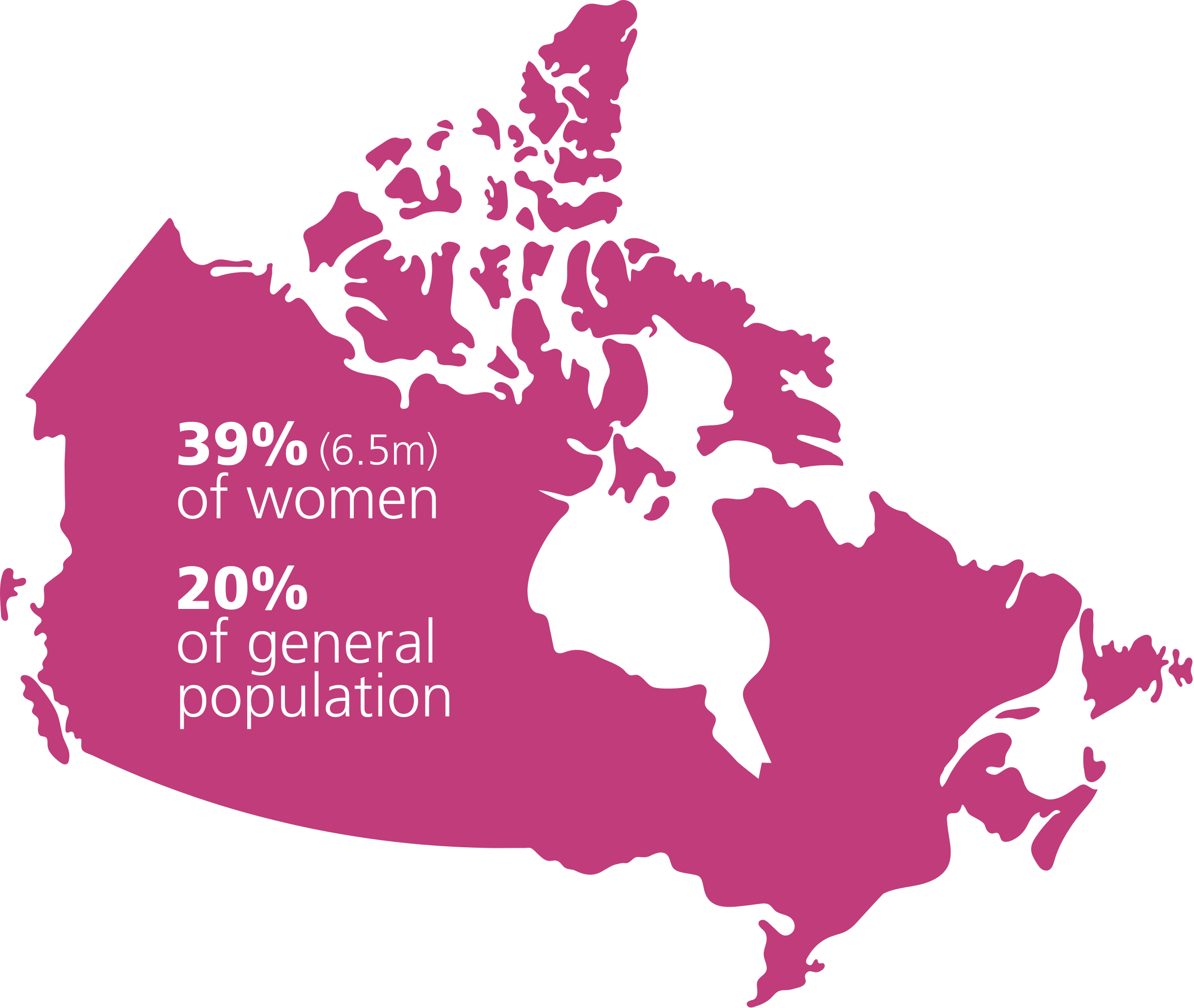
Engaged women now represent 6.5 million Canadian women that understand the connection between economy and energy, and want a voice in the conversation.
Strong engagement
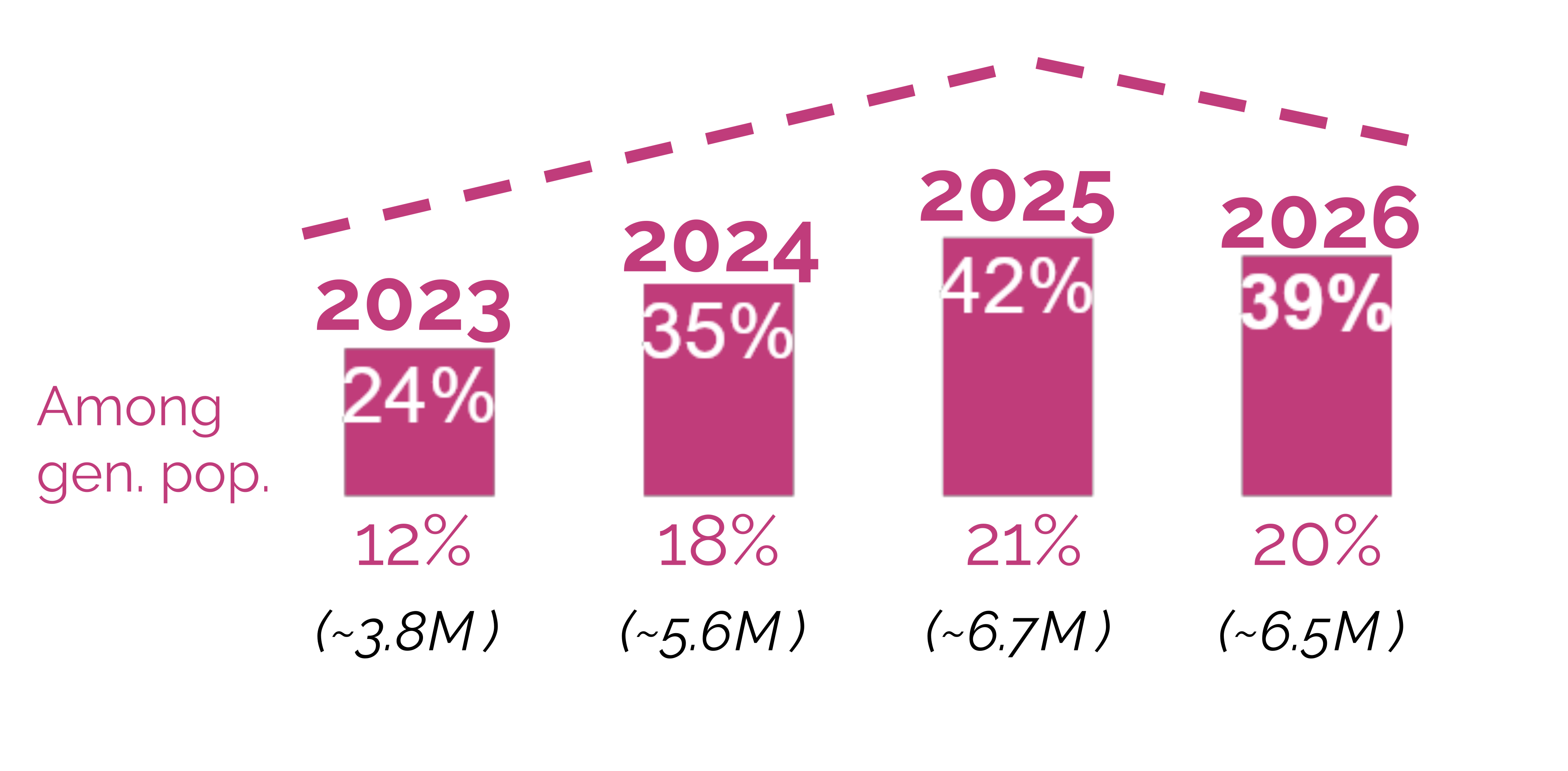
The number of engaged women across Canada slightly declined as was expected following a year of multiple provincial elections and a federal one. However, engagement intensity is rising. Of those surveyed, familiarity with federal and municipal politics rose by five points each, signaling a more attentive and informed core audience.
Economic impact is the primary driver of policy support
Cost of living, energy security, economic growth, and jobs are the top drivers of support or opposition to policy.
The importance of these issues increased comparatively to previous years.
+ 15% Affordability
+ 13% Energy reliability
+ 11% Economic growth
Familiarity with
politics or issues
Engaged women are familiar with politics and the policy issues that shape Canada’s future.
39% of engaged women are familiar with Federal politics and issues.
39% of engaged women are familiar with Provincial politics and issues.
31% of engaged women are familiar with Municipal politics and issues.
Women want balanced, pragmatic energy policy
What’s important for strong Canadian energy policy?
Percentages indicate the top answers

79%
Improving cost of living for Canadians

64%
Maintaining energy security and reliability for Canadians

56%
Ensuring government decisions consider impact on individuals and communities

51%
Pursuing environmental progress through continuous improvement alongside economic growth, not at its expense

51%
Creating Canadian economic growth by generating revenue for both government and private sectors
99% of engaged women want leadership in government to be transparent about how energy, environment, and trade decisions affect affordability, compared to 91% of Canadians.
Engaged women are tuned in and actively seek out the news to understand the connection between energy and the economy.
Top six news sources:
71%
Local or national TV or radio news
61%
Other online sources (blogs/SM)
31%
Daily local newspapers
24%
U.S.-based TV or radio
22%
Daily national newspapers
22%
International TV or magazines
Engaged women voter frequency
Engaged women vote at significantly higher rates than Canadians overall across all three levels of government. This pattern shows that engaged women are consistently more civically active and reliably show up at the ballot box, making them a highly influential voting group.
Municipal
64%
74%
Provincial
77%
84%
Federal
78%
87%
Methodology
The survey data is from Leger’s Omnibus study, conducted using computer-assisted web interviewing (CAWI) technology from November 21 – November 28, 2025, among 1,545 women in Canada.
The women who were classified as Engaged Women identified as someone who reads/listens to the news, is informed on politics, believe to be somewhat left/in the middle/on the right, and is neutral or in agreement with the many statements related to having an interest in: influencing government, learning about the future, learning more about topics that could impact Canadians future wealth and prosperity, understanding what I can do to support important issues facing Canadians, and having a voice about the future of oil and gas and energy.